
10 Signs Your Home Needs Professional Electrical Repairs
Electricity is so deeply woven into everyday life that it's easy to forget how much relies on a properly functioning electrical system. From lighting and climate control to appliances and charging devices, nearly every aspect of a modern home depends on safe, stable electrical flow. When something goes wrong, the warning signs aren't always dramatic. In many cases, the earliest indicators are subtle and easy to dismiss.
Homeowners often assume flickering lights or a tripped breaker are minor inconveniences rather than signs of a developing problem. Unfortunately, electrical issues rarely stay small. Worn wiring, overloaded circuits, and outdated components can quietly create safety hazards behind walls and inside panels. According to Family Handyman, electrocution is more likely to occur at 120 volts, which is the standard voltage in most homes. That statistic highlights why everyday electrical problems deserve serious attention.
Recognizing these warning signs early can help prevent property damage, appliance failure, and personal injury. In this article, we'll walk through the most common indicators that your home may need professional electrical repairs and explain why timely action matters.
1. Frequent Circuit Breaker Trips
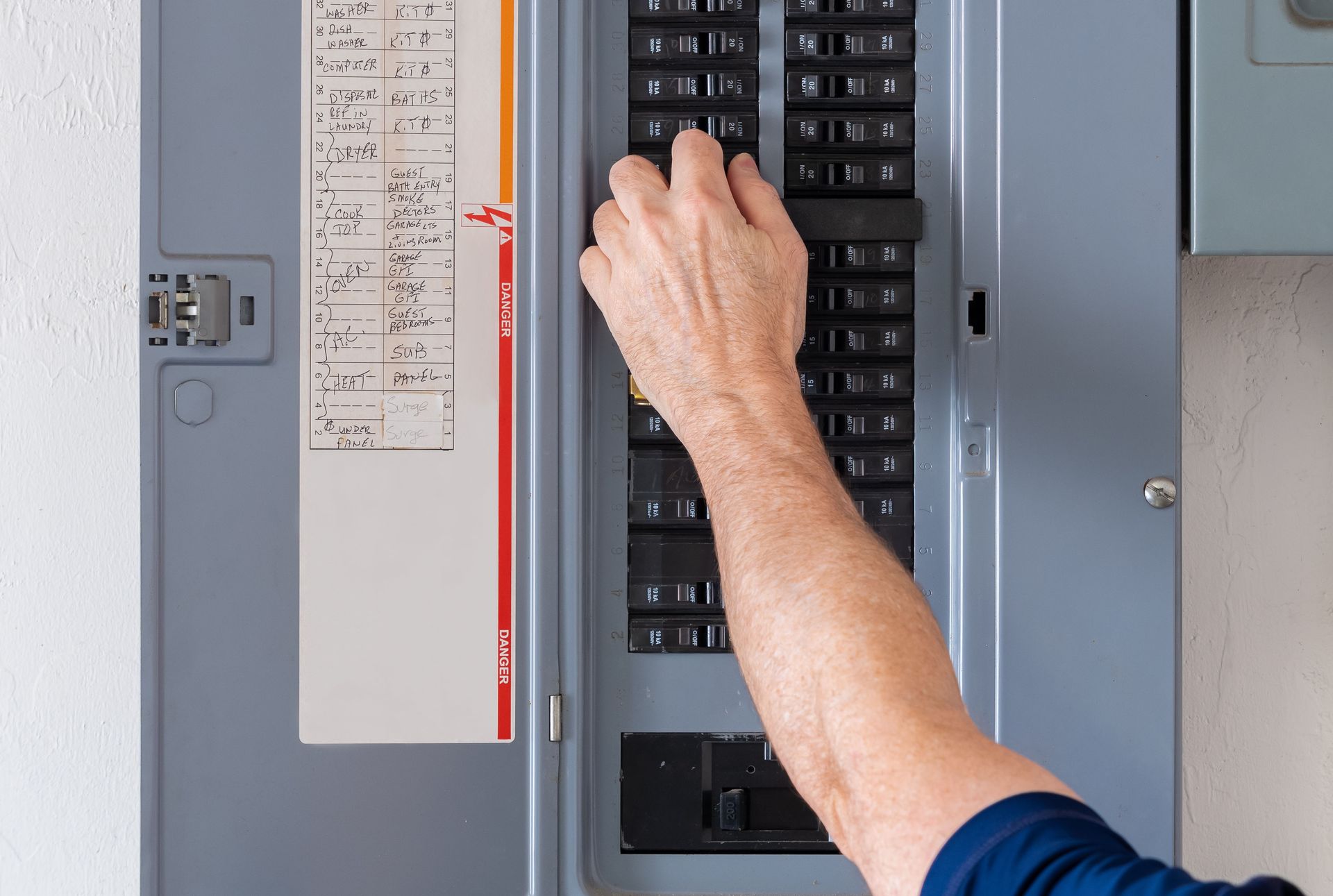
Circuit breakers exist to protect your home from electrical overloads and short circuits. When a breaker trips, it's doing its job by cutting power before wires overheat or damage occurs. While an occasional trip may happen when too many devices are running at once, repeated tripping is not normal.
Frequent breaker trips often indicate overloaded circuits, failing breakers, or wiring that can no longer safely handle demand. In some cases, homeowners rearrange appliance usage to “manage” the problem, but that approach doesn't address the underlying issue. Over time, repeated stress on the system can weaken connections and increase fire risk.
A licensed electrician service can evaluate whether your circuits are properly balanced, identify worn components, and determine whether repairs or upgrades are needed to restore safe operation.
2. Flickering or Dimming Lights
Lights that flicker, pulse, or dim unexpectedly are more than just annoying. These changes in brightness often indicate inconsistent voltage flow through your electrical system. While a loose bulb may cause flickering in a single fixture, widespread dimming throughout the home points to a larger issue.
Common causes include loose wiring connections, overloaded circuits, or problems within the electrical panel. In some homes, flickering becomes more noticeable when large appliances cycle on, signaling that circuits are struggling to distribute power evenly.
Ignoring this sign can lead to premature appliance wear and continued stress on wiring. Professional electrical repairs can identify the root cause and stabilize electrical flow across the home.
3. Warm Outlets or Switch Plates
Outlets and switches should remain cool during normal use. If you notice warmth when touching a switch plate or outlet cover, it's a strong sign of resistance within the wiring. Resistance creates heat, and heat is one of the most common contributors to electrical fires.
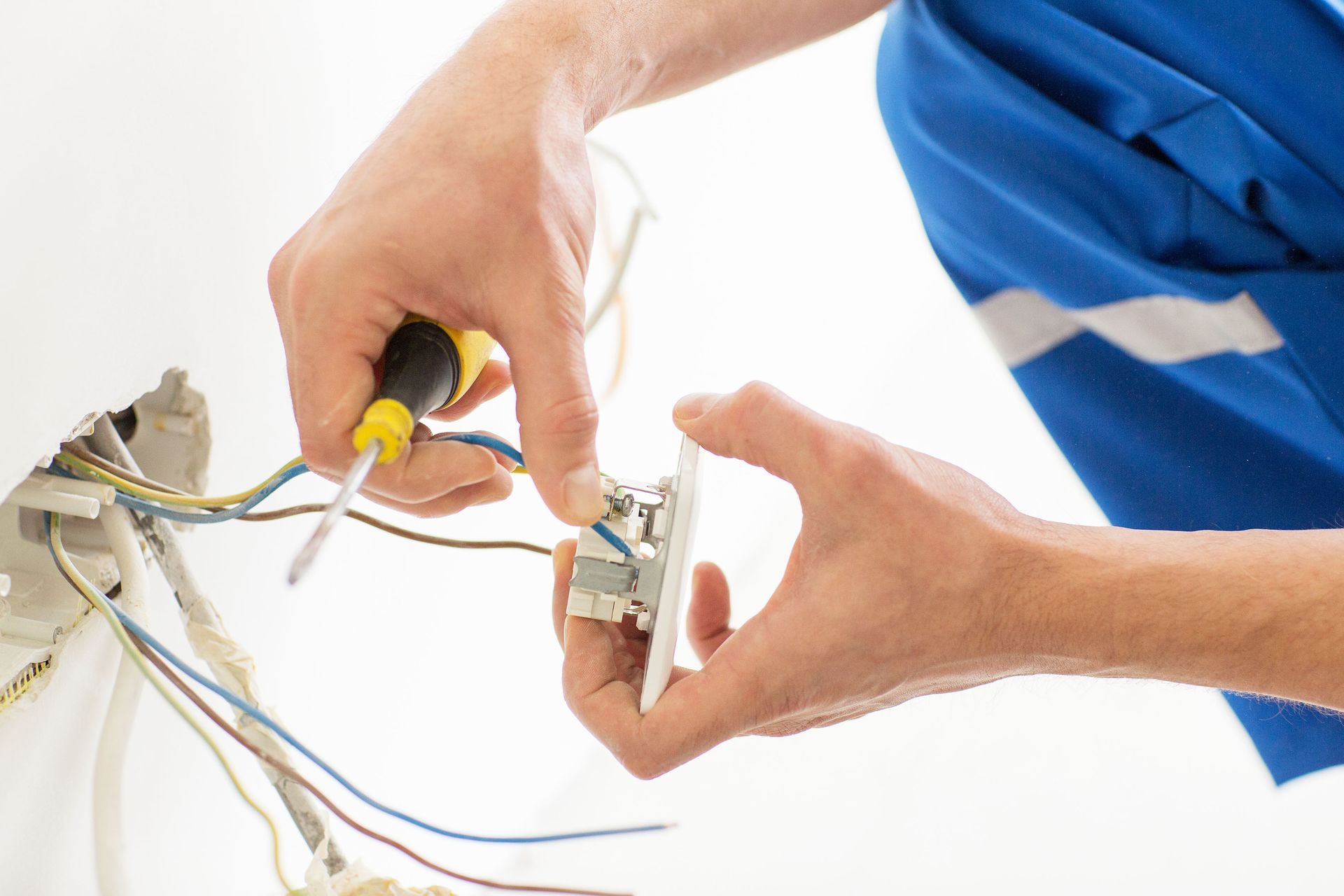
This issue may stem from loose connections, damaged wires, or overloaded circuits. In older homes, outdated materials may also play a role. Even if the warmth seems minor, it should never be ignored. A licensed electrician service can safely inspect the affected area, repair damaged wiring, and replace unsafe components before heat buildup causes further damage.
4. Buzzing or Crackling Sounds
Electrical systems are designed to operate quietly. When you hear buzzing, crackling, or popping sounds near outlets, switches, or breaker panels, electricity may be arcing across loose connections. This arcing produces sound, heat, and sparks—all of which increase safety risks.
These noises often occur behind walls, making them easy to overlook. Over time, arcing can degrade insulation, damage nearby materials, and raise the likelihood of fire. Professional electrical repairs allow trained technicians to locate the source of the noise, secure connections, and restore safe, silent operation.
5. Burning Smells or Scorch Marks
A burning smell near electrical components is one of the most serious warning signs a homeowner can encounter. Even if the odor disappears, it may indicate overheated wires or melting insulation inside walls or outlets.
Scorch marks, darkened outlet covers, or melted plastic are visible signs that electricity is not flowing safely. These conditions can worsen quickly and should be addressed immediately. Calling for professional electrical repairs at the first sign of burning odors helps prevent further deterioration and reduces the risk of electrical fires.
6. Outlets That Spark or Shock
Seeing a small spark when plugging in a device may seem harmless, but repeated sparking is not normal. Electrical shocks, even mild ones, indicate grounding issues or damaged wiring within the outlet.
This is especially concerning in areas with moisture, such as kitchens, bathrooms, and outdoor spaces. Faulty grounding can allow electricity to travel through unintended paths, increasing the risk of injury. A licensed electrician service can test grounding, replace unsafe outlets, and verify that protective systems are functioning correctly.
7. Outdated or Overloaded Electrical Panel
Many homes still rely on electrical panels installed decades ago. These panels were designed for a time when electrical demand was far lower. Today's homes use significantly more power due to modern appliances, electronics, and HVAC systems.
Signs of an outdated panel include frequent power interruptions, limited breaker capacity, and visible corrosion or wear. Some older panels may also lack modern safety features. Professional evaluation helps determine whether your panel can support current needs or if repairs or upgrades are required to improve safety and reliability.
8. Frequently Blown Fuses
Homes with fuse-based systems often experience blown fuses when circuits become overloaded. While replacing a fuse restores power temporarily, frequent failures suggest the system is under constant strain.
This repeated stress can damage wiring and increase fire risk. Rather than continuing to replace fuses, homeowners benefit from professional assessment of circuit capacity and overall system condition. Professional electrical repairs can address load issues and recommend safer, long-term solutions.
9. Discolored or Loose Outlets
Outlets that appear discolored, yellowed, or darkened often show signs of overheating. Loose outlets that shift when plugs are inserted can also indicate worn connections behind the wall.
Both conditions allow wires to move or arc, increasing the risk of short circuits. These issues may not interrupt power immediately, which makes them easy to ignore. Repairing or replacing damaged outlets restores stability and helps protect the wiring hidden behind walls.
10. Relying Heavily on Extension Cords
Extension cords are intended for short-term use, not as permanent wiring solutions. If your home relies on multiple cords or power strips, it may lack sufficient outlets or properly distributed circuits.
This workaround places added strain on existing wiring and increases fire risk. It can also signal that the electrical system no longer aligns with how the home is being used. A licensed electrician service can add outlets, install new circuits, and reduce reliance on temporary solutions.
Electrical issues often develop quietly, showing subtle signs long before a serious failure occurs. Flickering lights, warm outlets, unusual sounds, and frequent breaker trips all serve as warnings that something isn't functioning as it should. Because everyday household electricity operates at standard voltage levels associated with higher electrocution risk, these signs should never be ignored.
Addressing problems early helps protect your home, your appliances, and the people who live there. Professional electrical repairs provide clarity, safety, and long-term reliability by correcting issues at their source rather than masking symptoms.
If you've noticed any of these warning signs in your home, don't wait for the problem to escalate. Reach out to our team at ADB & Son Electric Inc to schedule an inspection, discuss repair options, and take the next step toward a safer, more dependable electrical system.













Share On: